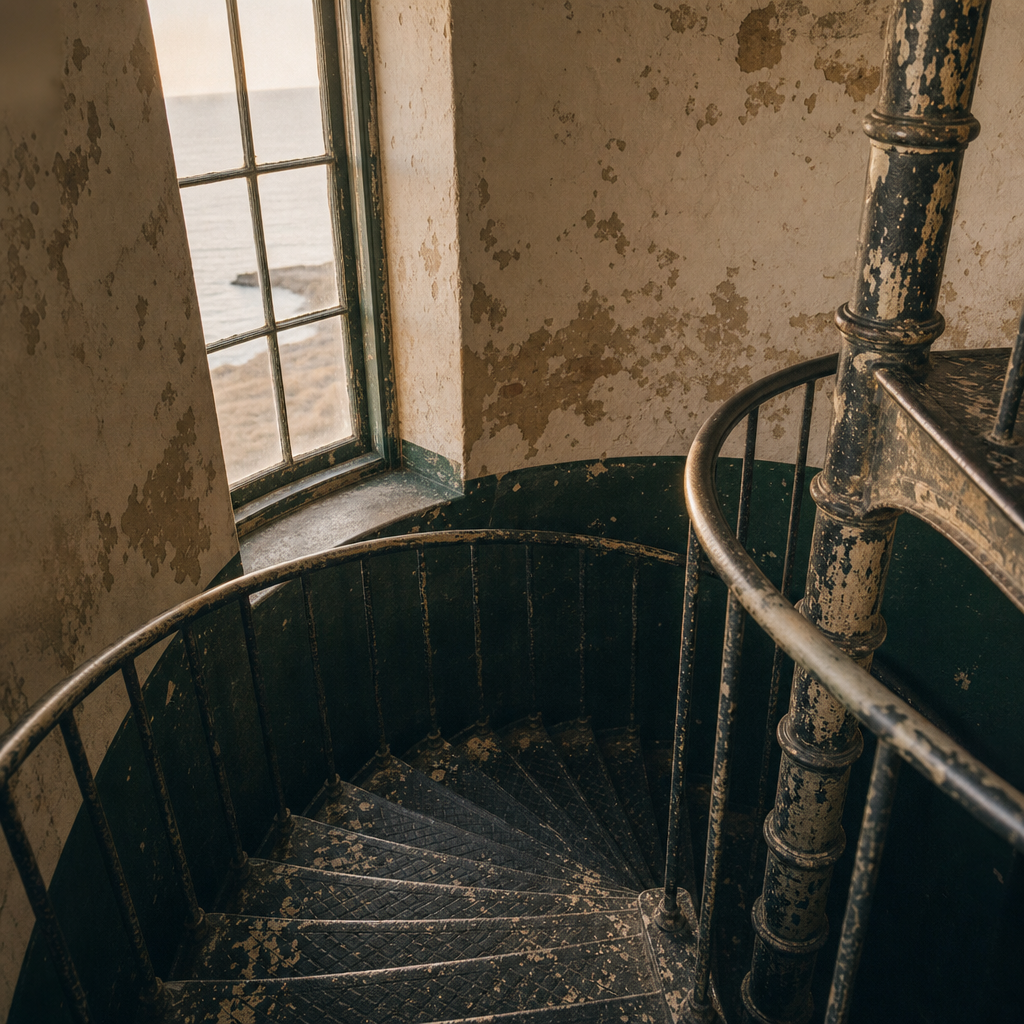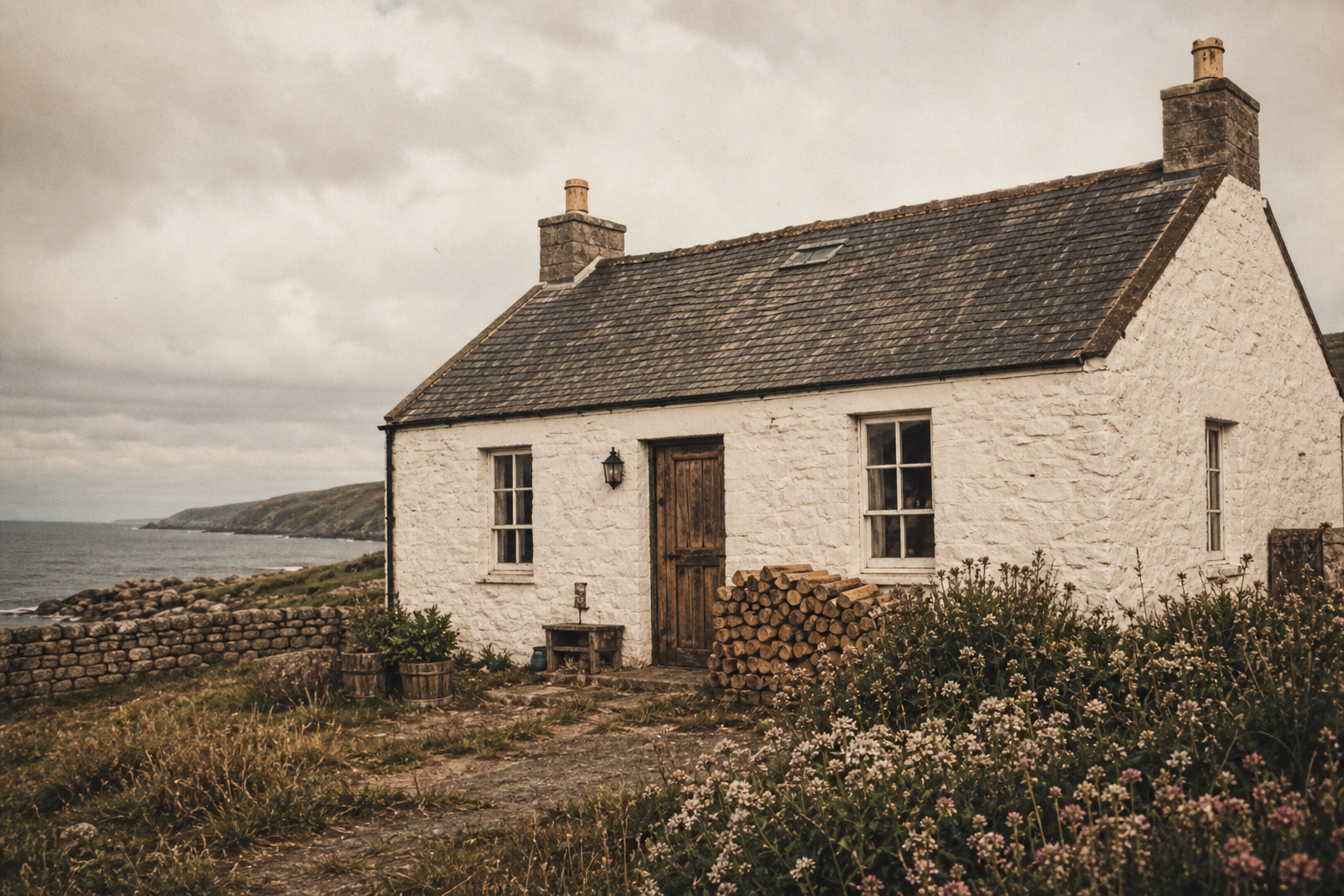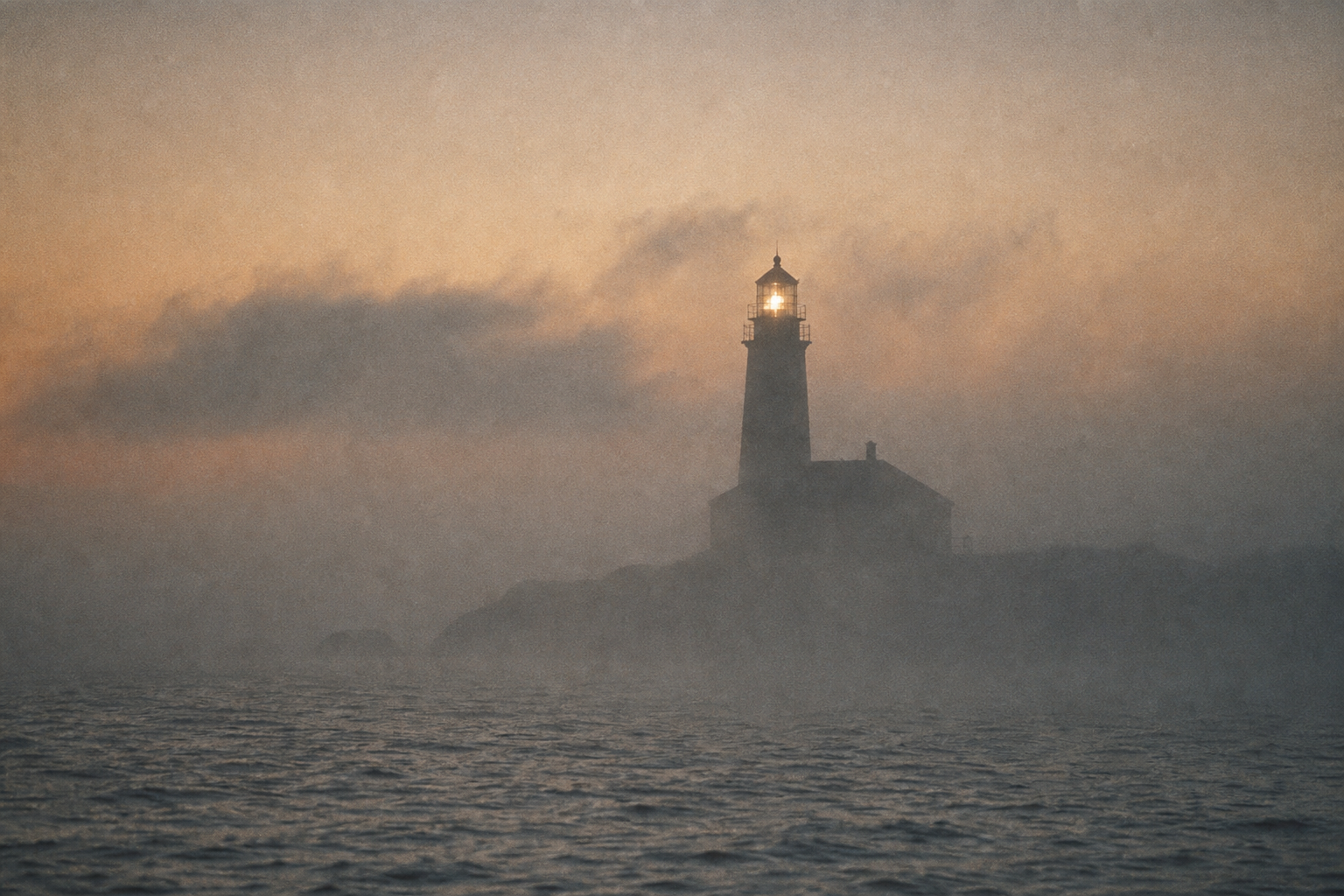
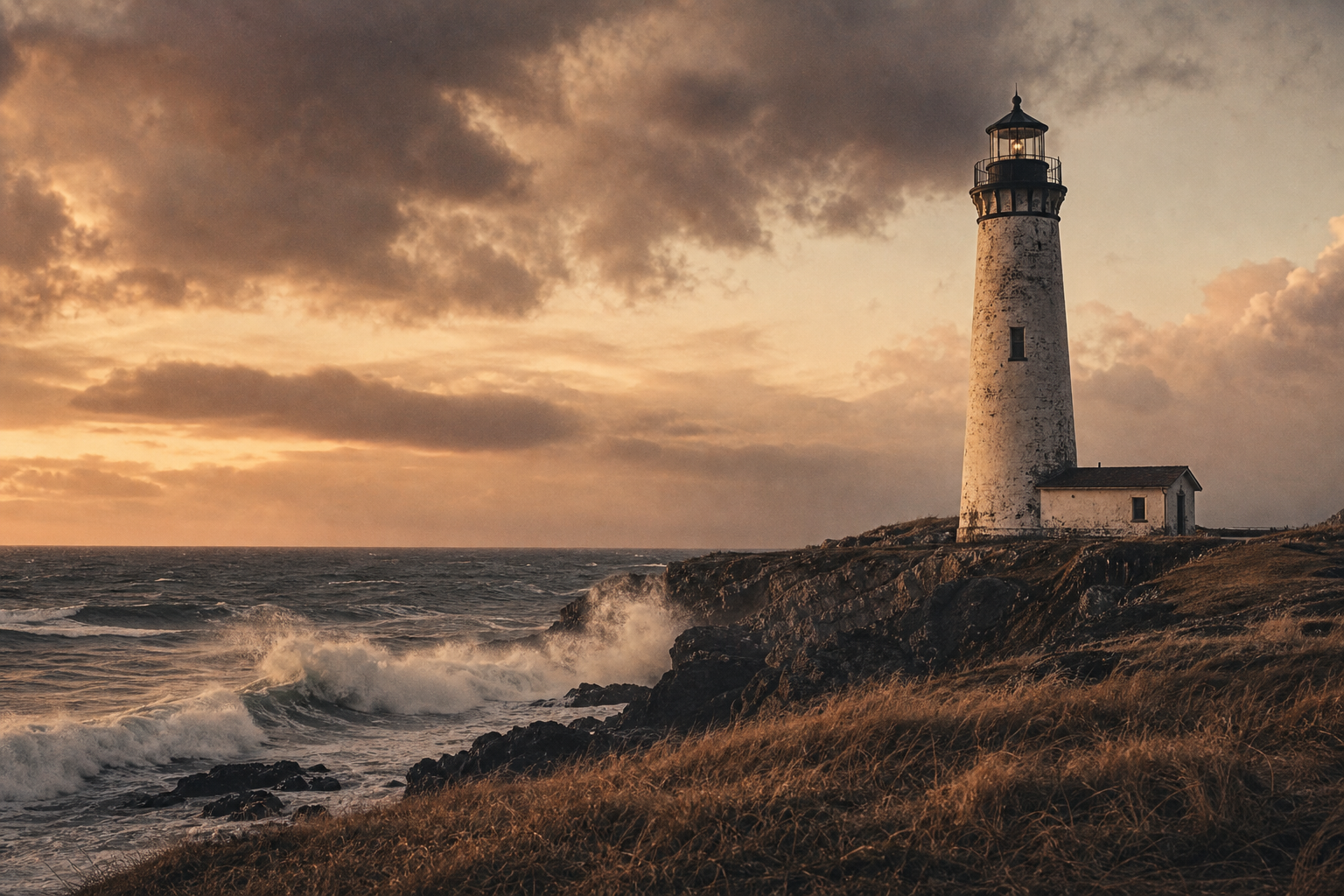
Windswept stone lighthouse on a rugged northern shoreline at dusk, with dramatic clouds and sea spray in a warm film-photography mood

Northern Coast Archive

Beacons of the Northern Coast

Explore archive photography, keeper recollections, and the surviving towers that still mark the shoreline's living maritime history.

  • Preserved landmarks

    Surviving towers cataloged by coast segment

  • Keeper memories

    Anecdotes from families and local records

  • Coastal archives

    Curated photo material from regional collections

Historical grounding

Why the northern coastal lights mattered

Before charts were standardized and engines grew dependable, these shores demanded memory, timing, and visible signals that sailors could trust in weather and darkness.

Hazardous coastal routes

Reefs, shifting shoals, and sudden fog banks made familiar passages deceptive. Even short crossings could turn dangerous when landmarks disappeared into mist.

Reliable beacons in uncertain weather

Fixed light rhythms offered something captains could verify at night: position, approach angle, and distance from cliffs, reducing guesswork when seconds mattered.

From navigation tools to landmarks

As shipping methods changed, many towers shifted from daily infrastructure to cultural markers, carrying local memory of keepers, storms, rescues, and shoreline life.
Coastline timeline

Four turning points in the northern coast lighthouse story

A quick historical scan before exploring each surviving tower in detail.

1820-1855

Early signaling

Harbor fires and simple lantern posts marked shoals before permanent tower engineering arrived.

1856-1890

Network expansion

A coordinated chain of lights was built to guide freight routes, fishing fleets, and winter crossings.

1891-1935

Keeper life

Logbooks, family rotations, and hand-maintained beacons defined the rhythm of isolated stations.

1936-today

Preservation era

Automation reduced staffing while local archives and restoration groups protected the surviving towers.

Preserved towers guide

Surviving landmarks of the northern coast

From the broad chronology above, these four preserved lights provide clear reference points: each one reflects a distinct coastline setting, material character, and conservation pathway before the keeper stories that follow.

Open preserved towers map
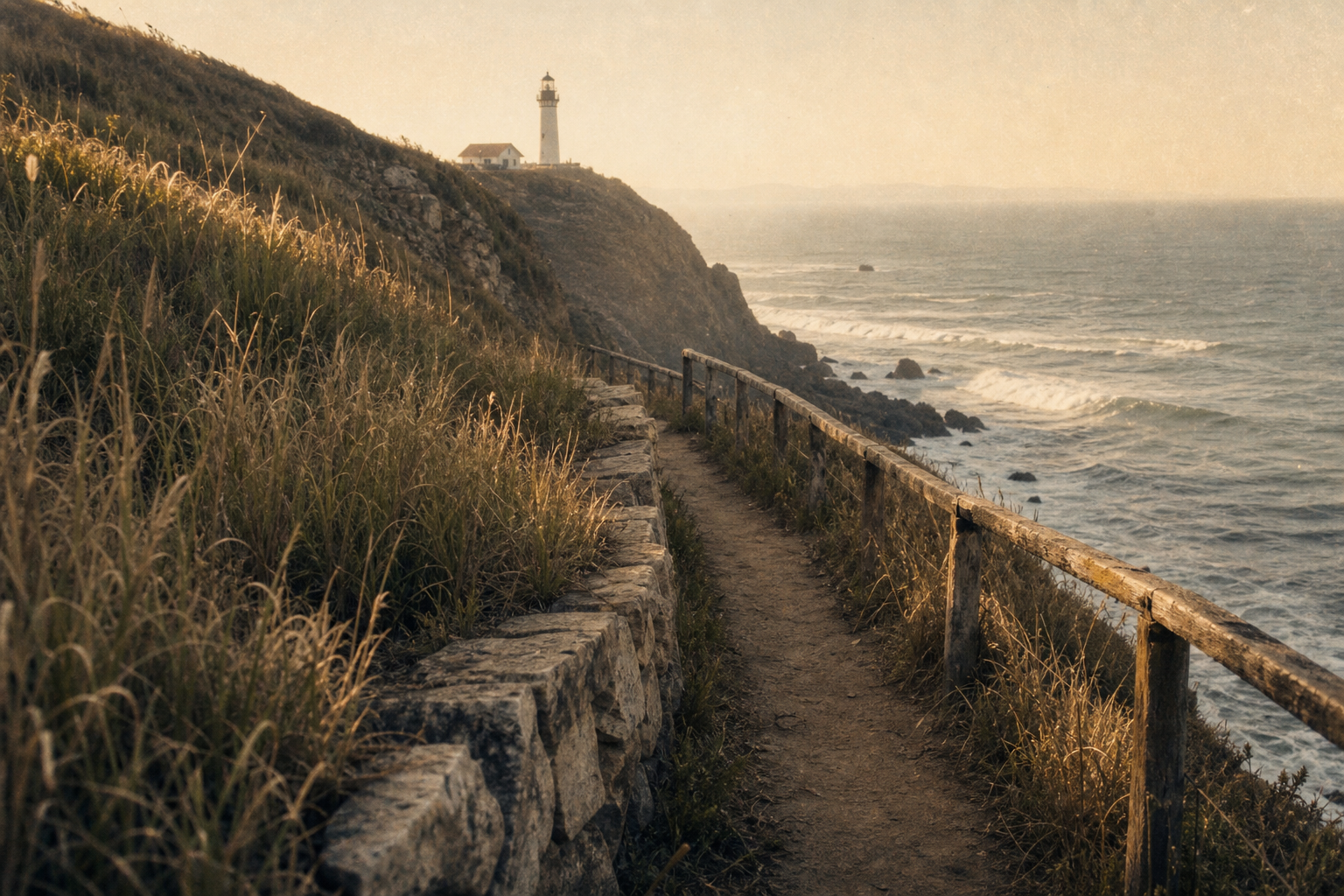
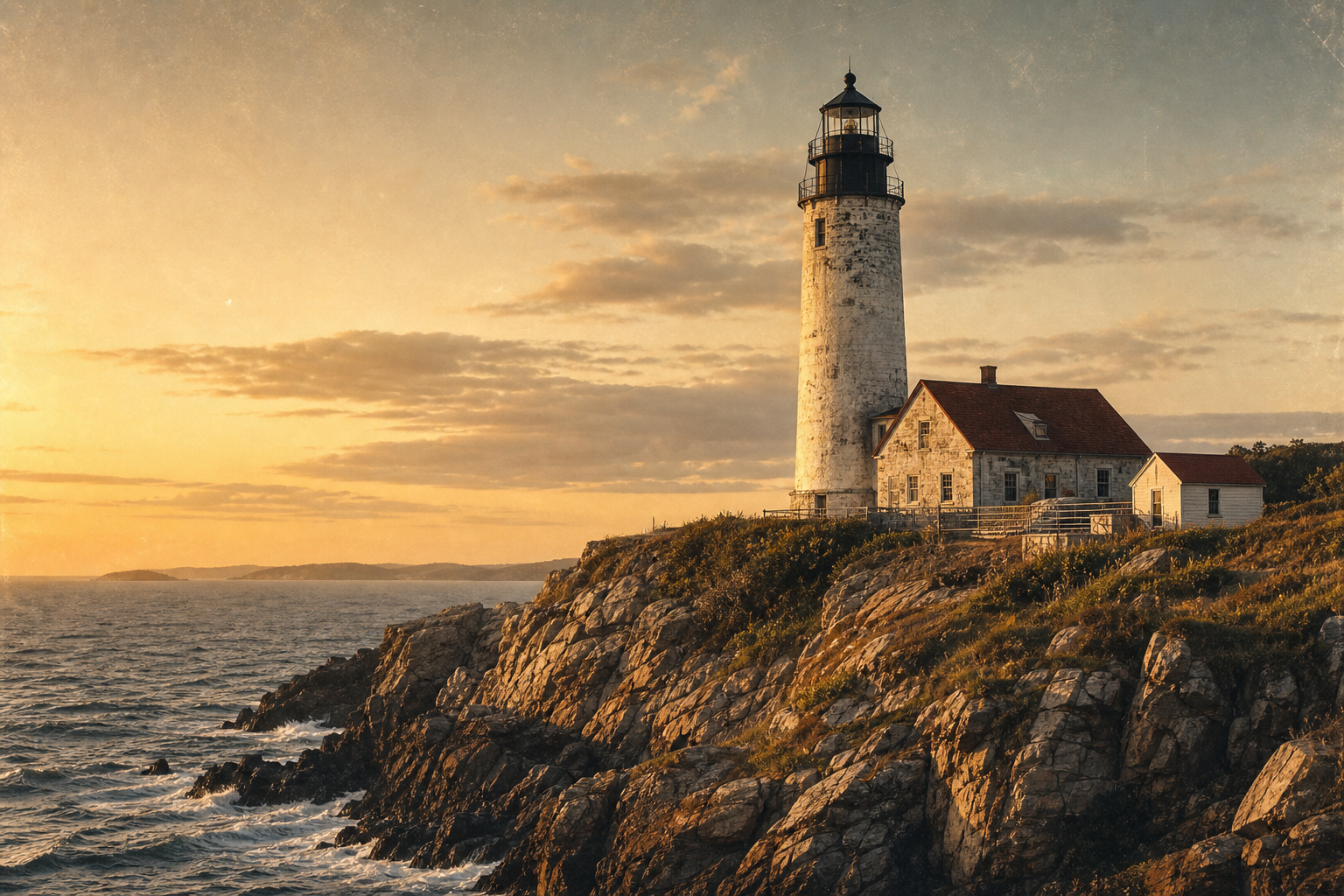
Bracken Point Light on a windswept rocky headland at golden hour

Bracken Point Light

Reference highlight

Location cue: Outer Bracken Head, west approach channel

A stout stone tower with a lantern gallery that still catches the last amber light before dusk rolls across the reef line.

Preservation note: Masonry joints were repointed in 2018, and controlled visitor access now protects the cliff path from erosion.

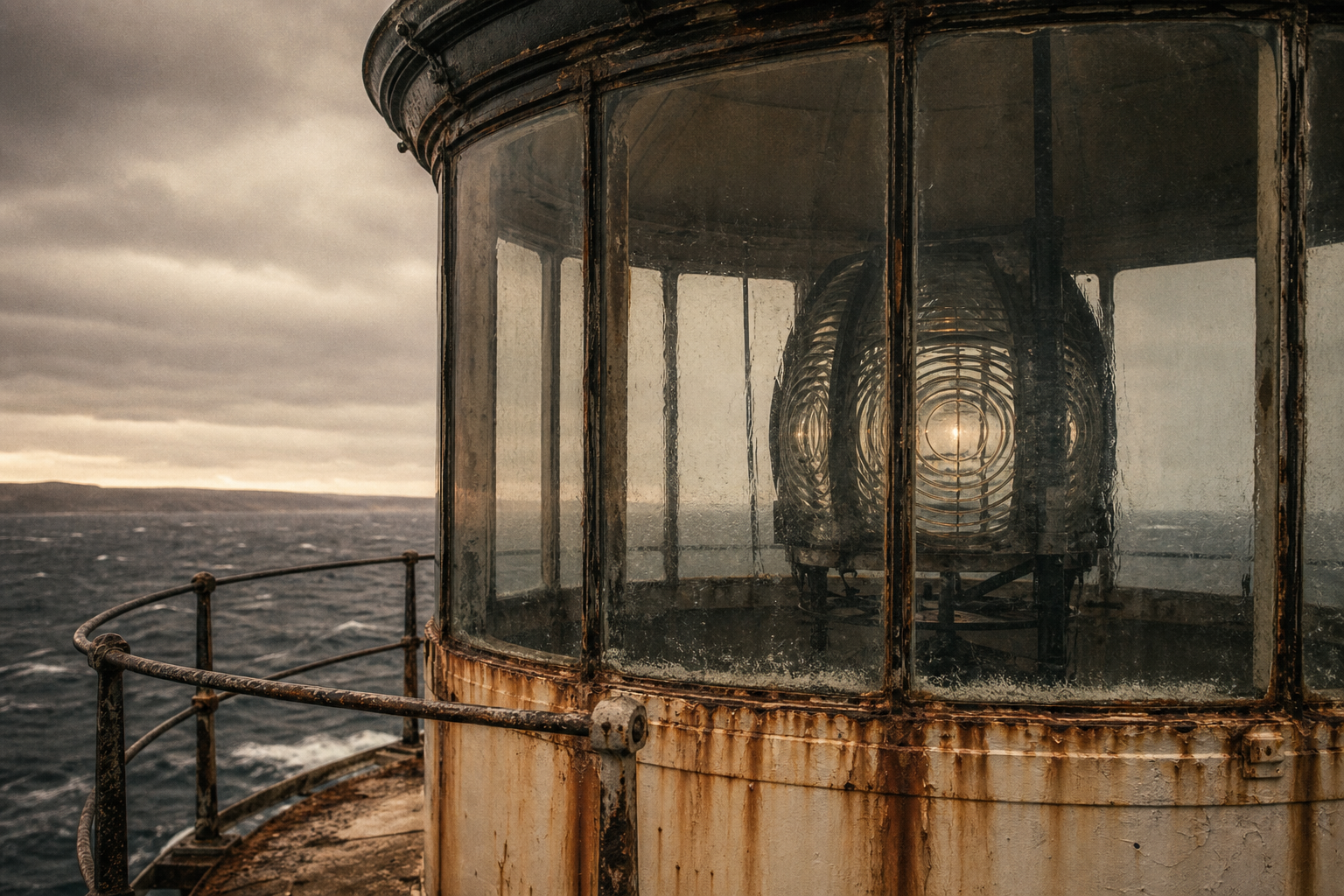
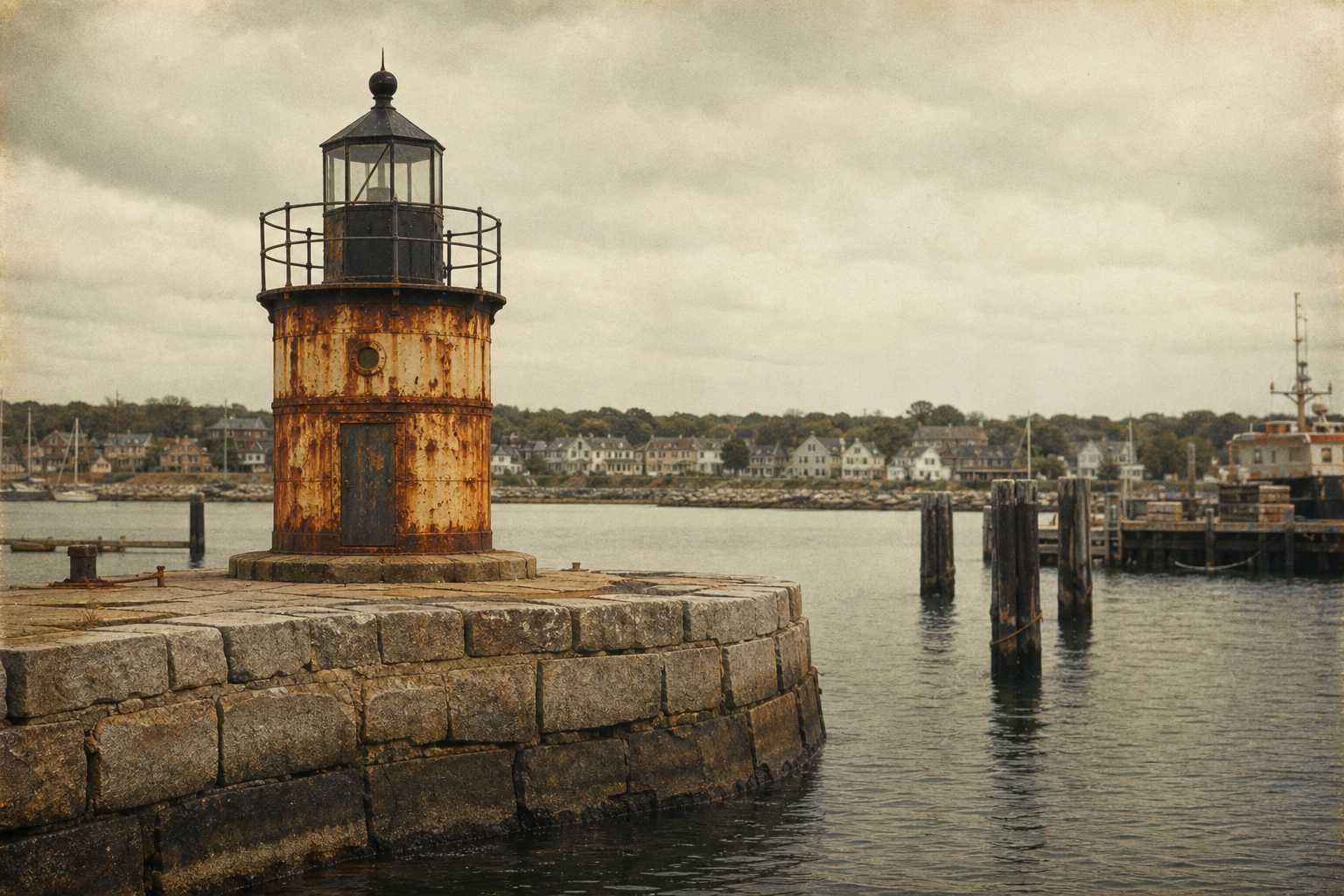
Northhaven Breakwater Beacon above old granite harbor blocks

Northhaven Breakwater Beacon

Location cue: Inner harbor arm, Northhaven inlet

Compact and practical, this iron-clad beacon marks the working harbor edge where fishing routes once converged at first light.

Preservation note: The cast-iron skin was stabilized with marine-grade coating, while original lens hardware remains in archival storage nearby.

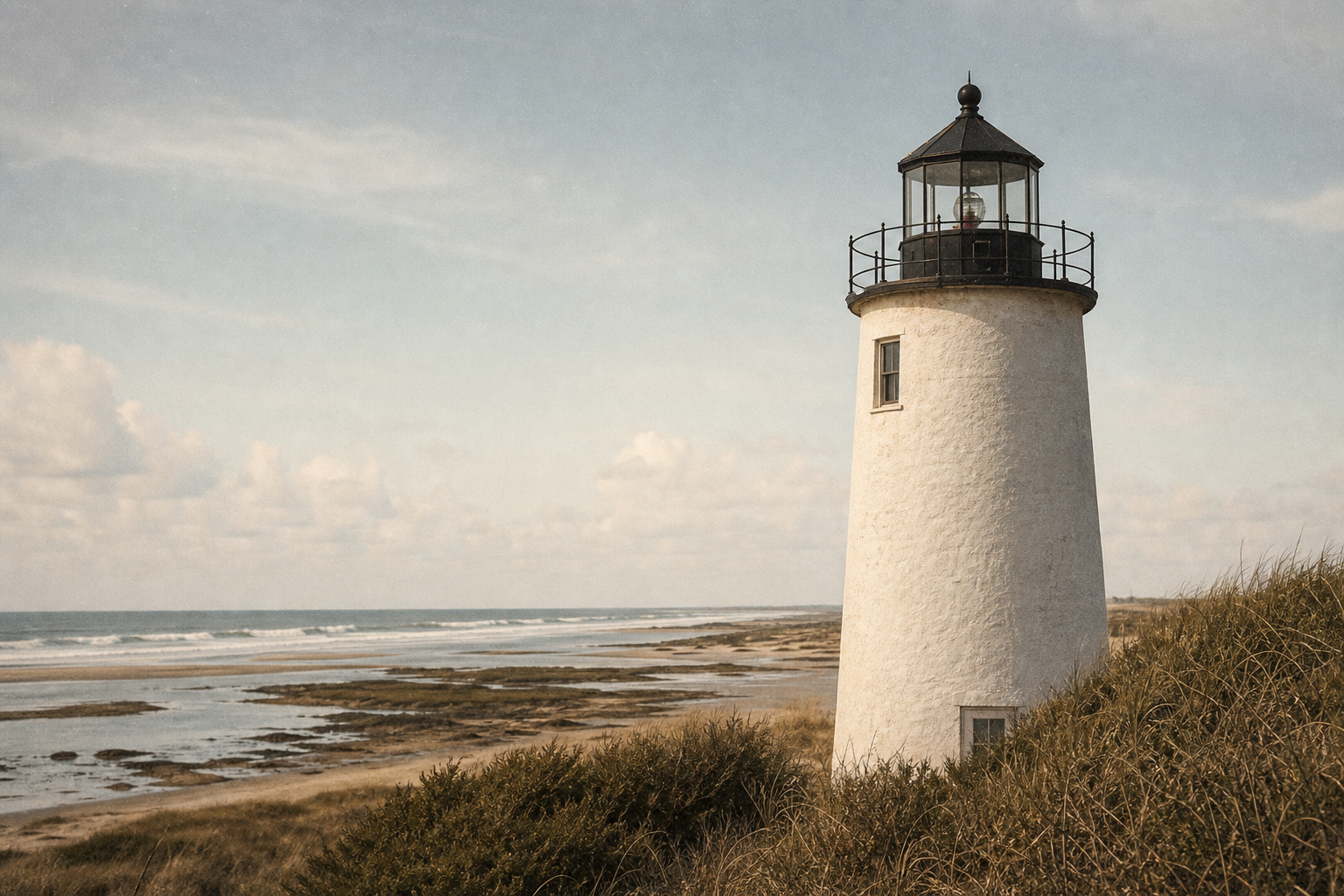
Gullmere Head Tower above grassy dunes and white surf

Gullmere Head Tower

Location cue: Dune ridge above Gullmere shoals

Its whitewashed cylinder rises from low grasses, giving the shoreline a quiet vertical marker visible across long tidal flats.

Preservation note: Volunteer repainting follows historical mineral pigment records, and dune fencing helps reduce wind-driven sand abrasion.

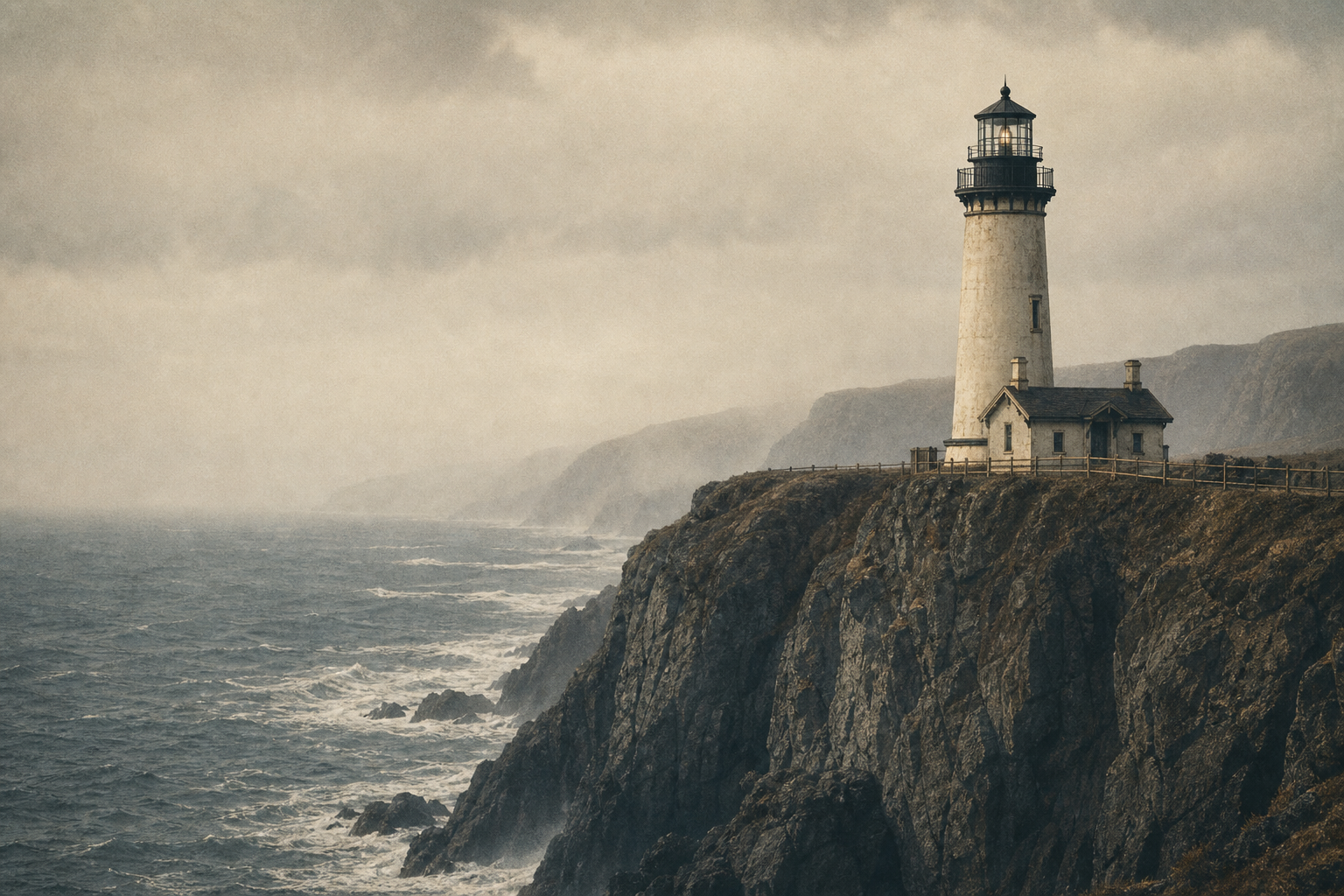
Saint Rowan Cliff Light with steep slate cliffs and sea mist

Saint Rowan Cliff Light

Location cue: High cliff shelf, Rowan Passage

Set against dark slate escarpments, this lantern house feels austere and weather-bound, a landmark shaped by fog and spray.

Preservation note: Structural tie-rod reinforcement was completed after storm damage surveys, and access is limited during winter swell months.

Keeper Stories

The Human Voice Behind the Beacons

Short recollections from keepers who watched weather, ships, and shoreline life from the lamp rooms.

  • At dawn we trimmed the wick by feel; by dusk the gulls already knew the lamp would answer the fog.

    Elias Rowan

    Assistant Keeper, Greycap Tower

  • On winter nights the glass sang with sleet, and we logged every passing light so no vessel vanished unnamed.

    Mara Kellett

    Head Keeper, Northwatch Light

  • Children from the cove brought letters uphill; we traded weather notes for stories of boats and birthdays.

    Thomas Venn

    Relief Keeper, Brinecliff Beacon

Visiting & Preservation FAQ

Practical notes for visiting preserved towers with care, context, and realistic expectations about coastal conditions.

Can preserved towers be visited by the public?

Some towers welcome visitors during set hours or guided days, while others are view-only from surrounding paths. Check local notices before travel, since access rules vary by site and season.

How is preservation different from full restoration?

Preservation stabilizes what remains and slows further loss; restoration usually rebuilds selected parts to a known earlier condition. Many coastal sites prioritize preservation to keep original material intact.

When do coastal conditions affect access most?

High winds, heavy swell, king tides, and storm warnings can close headland roads, cliff paths, or tower grounds on short notice. Morning checks of weather and local advisories are strongly recommended.

What is respectful photography etiquette at these sites?

Stay on marked paths, avoid climbing restricted structures, and keep clear of fragile masonry or vegetation. Quiet, low-impact visits help both conservation teams and nearby residents.

Why do some northern coast towers survive only in records or memory?

Erosion, wartime damage, automation-era removals, and long-term maintenance costs led to losses at several sites. Their histories continue through logs, photographs, oral accounts, and mapped references in the closing map section.

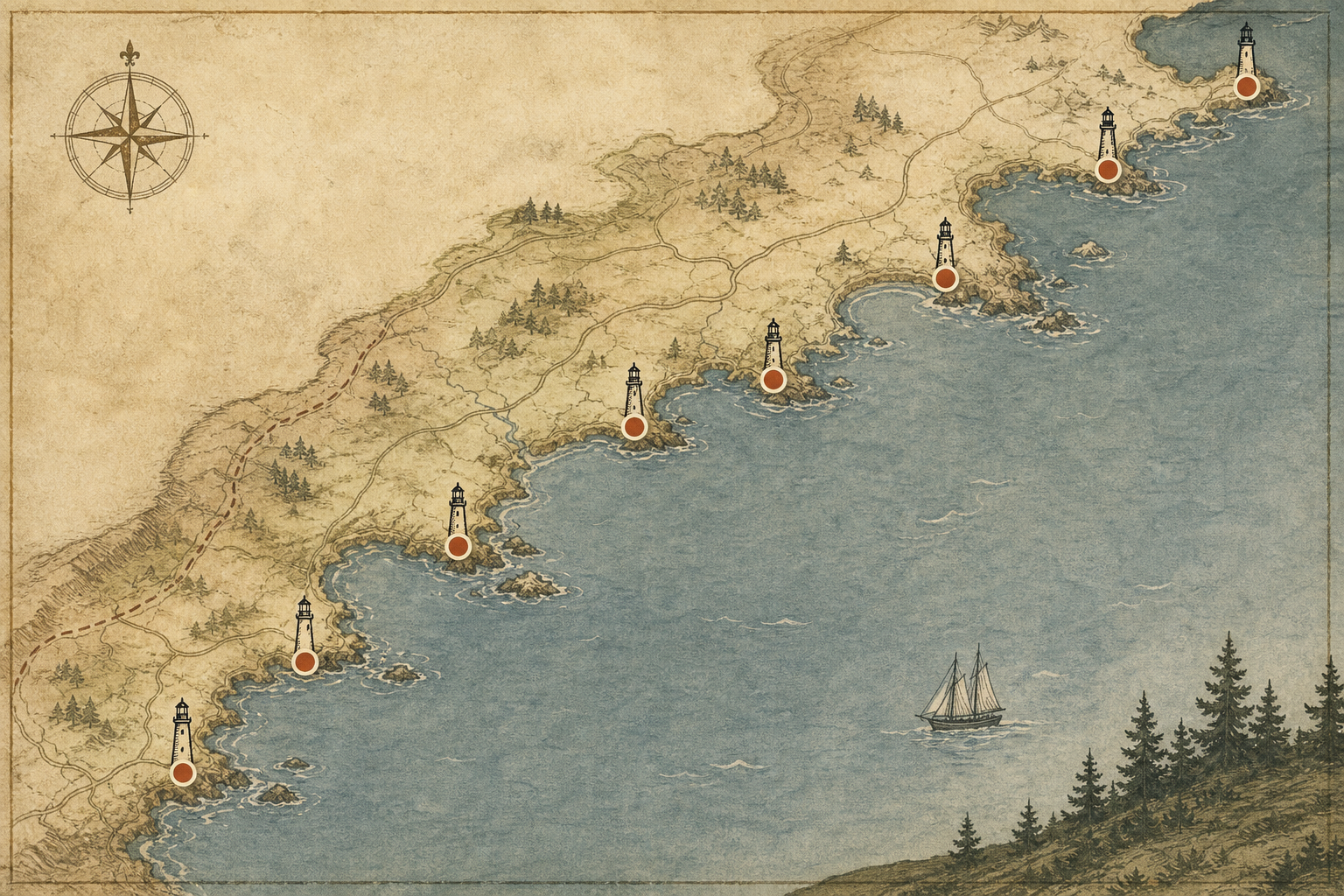
Illustrated northern coast map with preserved lighthouse tower points in a warm archival style

Preserved towers, gathered on one coast

Use this final reference map to connect each surviving beacon to its stretch of shoreline, local memory, and preservation status.

  • Locate preserved towers by coastal corridor at a glance.
  • Compare archival stories with the towers that still stand today.
  • Plan deeper reading and field visits with a shared geographic frame.
Return to the coast's story